Why is Solana another Layer 1 choice?
Learn why Solana and SOL form an independent Layer 1, how its performance-oriented design differs from Ethereum Layer 2s, and which trade-offs remain.
On this page
Quick read
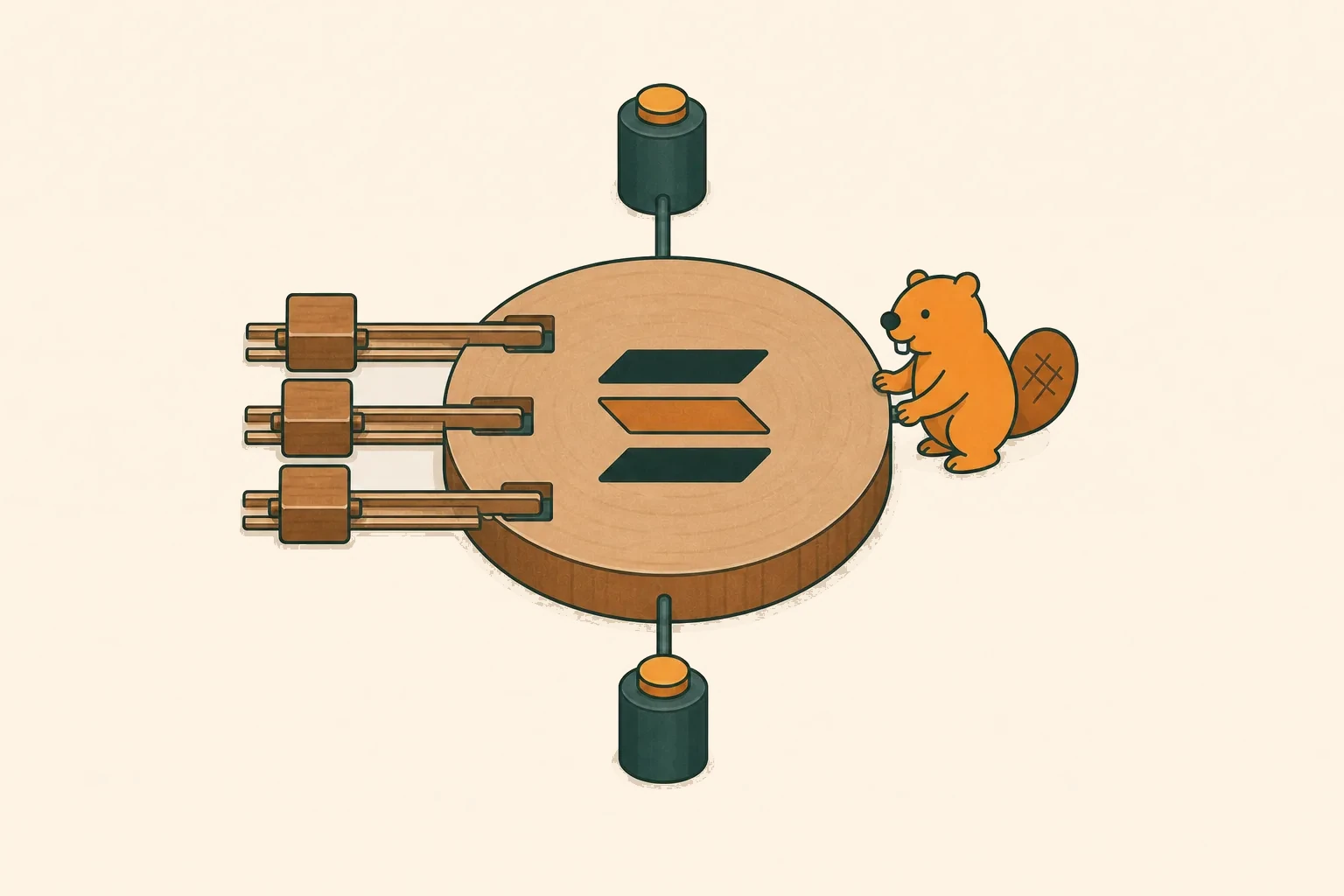
Solana answers scaling by operating an independent Layer 1 rather than by settling on Ethereum. This lesson explains why SOL is Solana's native asset, how its validator and execution design aims for fast processing, and which security, verification, and operational trade-offs matter before a low fee is treated as a complete comparison.
What to remember
- Solana is an independent Layer 1 with its own rules, validators, and history — it does not settle on Ethereum, so it is not an Ethereum Layer 2.
- SOL is Solana's native asset, not a version of ETH, and the two belong to separate networks that are never interchangeable.
- Because nothing is inherited from Ethereum, Solana's security and verification have to be judged on their own terms.
- A Solana transaction fee is charged before execution, so a failed transaction still costs you — worth knowing before retrying repeatedly.
Why is Solana not an Ethereum Layer 2?
Solana is an independent Layer 1: it has its own network rules, validator set, transaction history, and native asset, SOL. It does not send batches to Ethereum for Ethereum to settle. That makes it different from an Ethereum rollup, which executes separately but relies on Ethereum Layer 1 for its settlement relationship.
This is a network distinction, not a ranking. Solana and Ethereum can both host applications, but using Solana does not mean using an Ethereum L2. SOL is Solana's native asset; it is not ETH on a faster Ethereum layer.
What does Solana put inside its own base layer?
Solana uses proof of stake for consensus. Its proof-of-history design supplies a cryptographically verifiable record of ordering and time between events, which the protocol can use before consensus. Proof of history is not a replacement for consensus: validators still execute, replicate, and vote on the network's state under Solana's own rules.
That arrangement is one way to pursue responsive ordering and execution in a base layer. The important beginner point is the boundary: Solana's validation and settlement are its own responsibility, rather than security borrowed from Ethereum.
Where can a performance-oriented design help?
Every Layer 1 has to order transactions, execute them, share results, and let participants verify the resulting state. Solana's design focuses on reducing bottlenecks in those jobs. Its technical materials describe a scheduled leader that orders transactions and a runtime that can process non-conflicting state changes in parallel.
This helps explain why an application may choose a different base layer for its workload. It does not make throughput or a low fee a complete safety score. The relevant question is how the network achieves its performance and what its validators must do to keep verifying it.
How does Solana fit the network map?
| Network and native asset | Layer relationship |
|---|---|
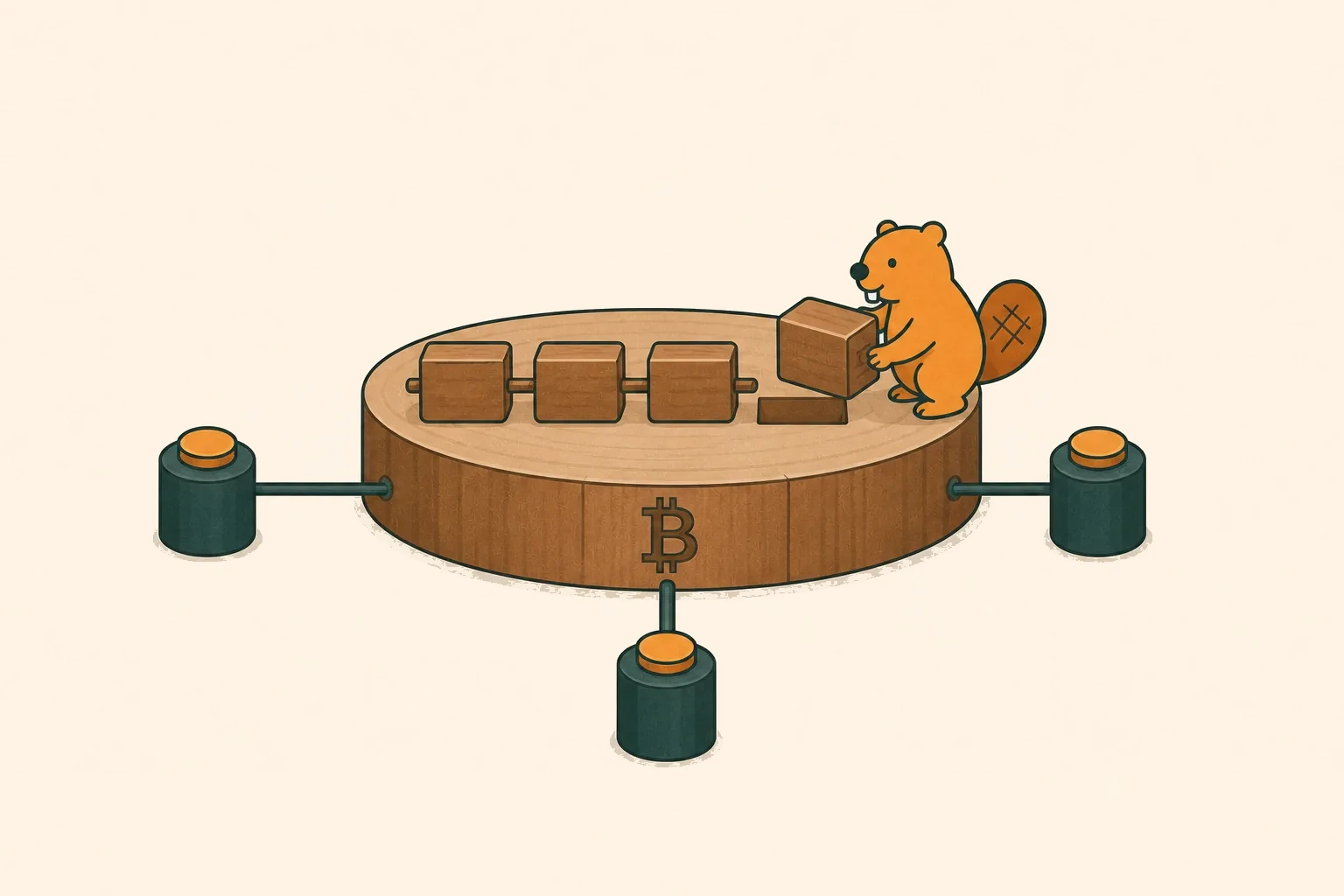
| Bitcoin — BTC | Independent Layer 1 for a shared transaction history and settlement. |
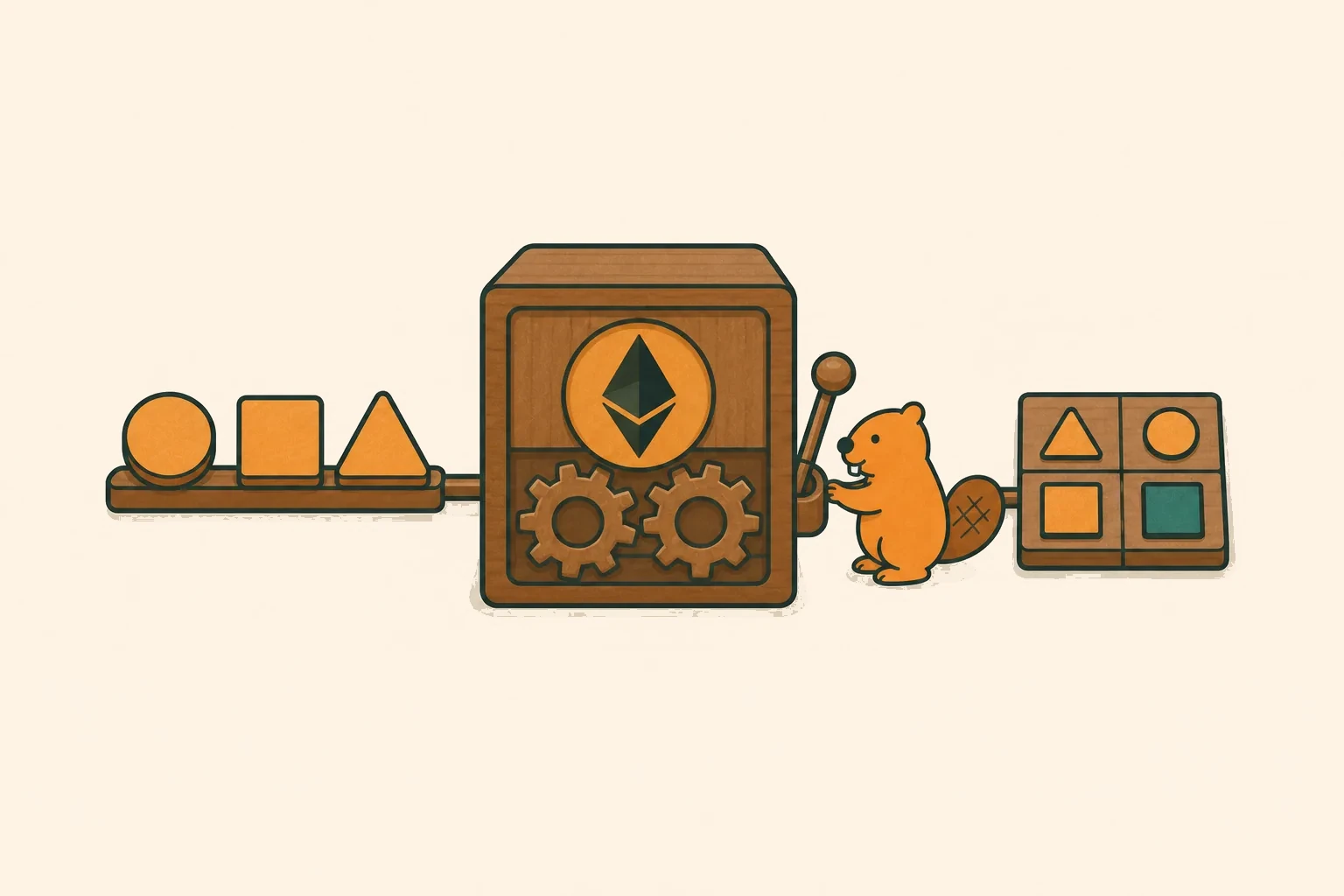
| Ethereum — ETH | Independent Layer 1 for programmable shared state. |
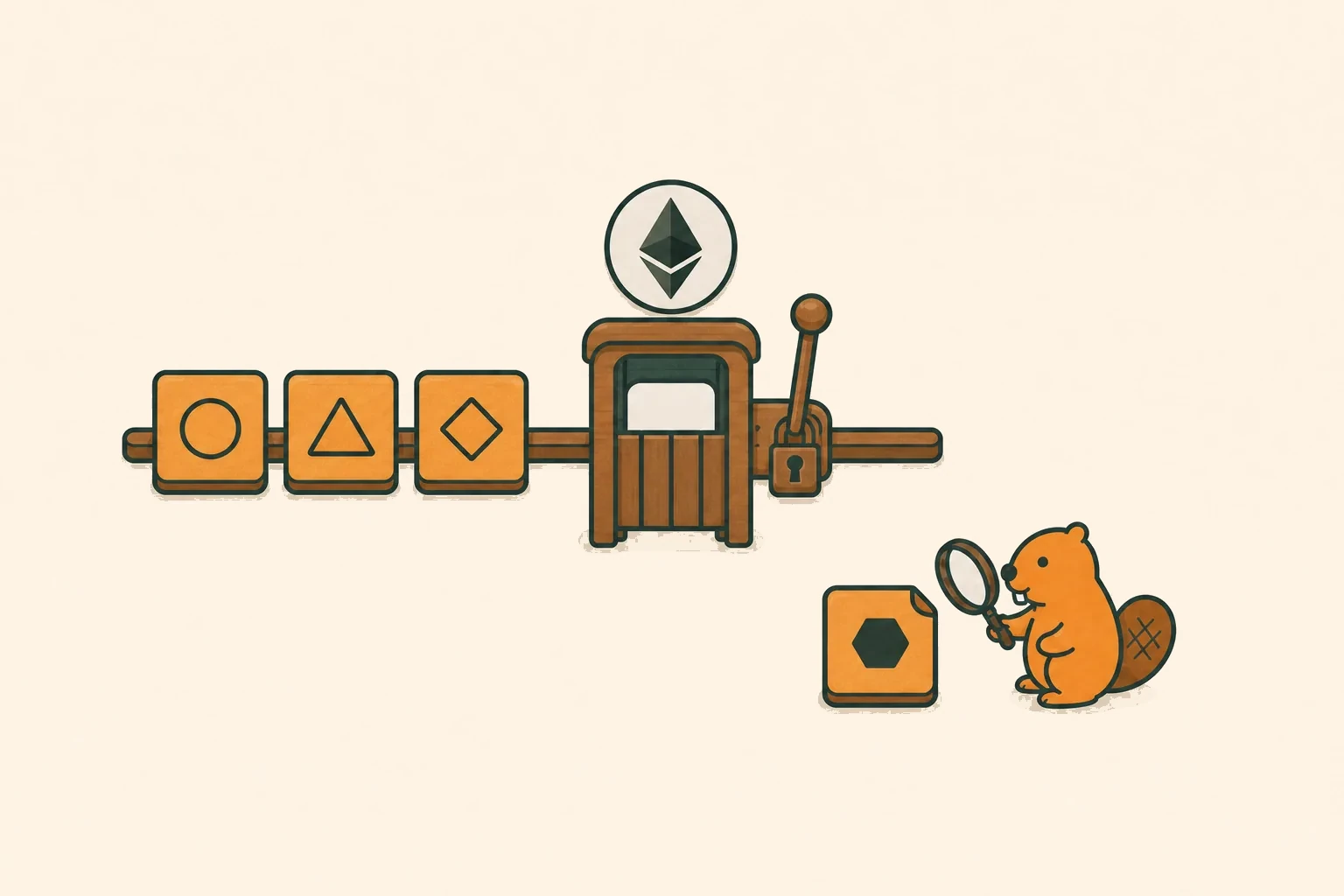
| Ethereum rollup | Scaling system that executes separately and ties settlement to Ethereum. |
| Solana — SOL | Independent Layer 1 with its own validation and settlement rules. |

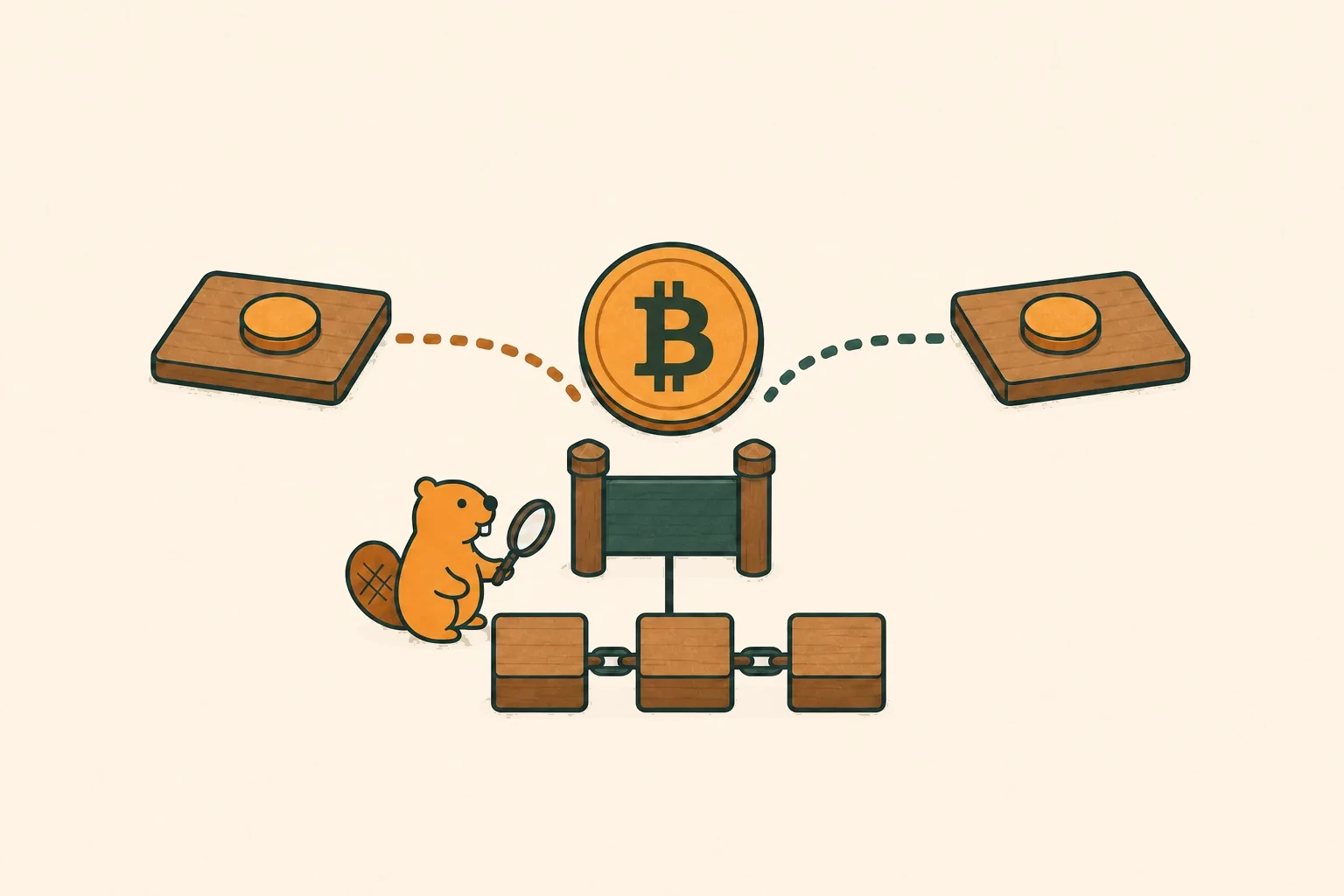
The map is more useful than a list of tickers. Bitcoin—BTC and Ethereum—ETH are Layer 1 network-and-asset pairs. An Ethereum rollup is a scaling system tied to Ethereum. Solana—SOL is another Layer 1 network-and-asset pair.
What trade-offs should you ask about?
An independent Layer 1 does not inherit Ethereum's settlement security, so its security and verification need to be considered on their own terms. Ask who validates the network, how its consensus works, and what hardware, bandwidth, or operational reliability its validators need. Those questions matter even when an application feels fast.
Solana's own validator material notes that high-performance operation can benefit from dedicated hardware and high-capacity networking. That is not a reason for a beginner to run a validator. It is a reminder that performance is connected to the work required to operate and verify the base layer.
Fees are another trade-off, not a verdict. Solana transactions have a base fee and may include a prioritization fee; the fee payer is charged before execution, including when a transaction fails. That means a network's fee model, current demand, and an application's transaction design all matter more than a single advertised number.
Conclusion
Solana represents the third distinct answer to scaling in this path. Rather than settling on Ethereum as a rollup does, it operates an independent Layer 1 with its own network rules, validator set, transaction history, and native asset. SOL is Solana's native asset — it is not ETH on a faster Ethereum layer, and using Solana is not using an Ethereum L2. That is a statement about network boundaries, not a ranking.
Its design pursues responsive ordering and execution inside the base layer: proof of stake for consensus, proof of history as a verifiable record of ordering and time that the protocol can use before consensus, a scheduled leader that orders transactions, and a runtime that can process non-conflicting state changes in parallel. Proof of history does not replace consensus; validators still execute, replicate, and vote under Solana's own rules.
The consequence is that Solana's security and verification have to be assessed on their own terms, because none of it is inherited from Ethereum. The questions worth asking are who validates the network, how its consensus works, and what hardware, bandwidth, and operational reliability its validators require — performance and the work needed to sustain and verify it are connected. Fees deserve the same care: a Solana transaction carries a base fee and may include a prioritization fee, and the fee payer is charged before execution, including when the transaction fails. A single advertised number is not a safety score, and a familiar ticker or low fee never makes two networks interchangeable.
You now have a basic network map: Bitcoin—BTC is one Layer 1, Ethereum—ETH is another Layer 1 with its own L2 ecosystem, and Solana—SOL is a separate Layer 1. That map explains the terms; it does not answer where to hold assets or how to use a platform.
Next, use Safe routes to learn the separate questions of custody, platform checks, and safer ways to enter the market.
Frequently asked questions
No. Solana is an independent Layer 1 with its own network rules, validator set, transaction history, and native asset. It does not send batches to Ethereum for Ethereum to settle, which is what distinguishes it from an Ethereum rollup. Using a Solana application is not using an Ethereum Layer 2.
No. SOL is Solana's native asset, used for transaction fees and participation in network security on Solana. ETH is Ethereum's native asset. They belong to separate networks with separate rules, and neither is a version of the other on a faster layer.
A design that supplies a cryptographically verifiable record of ordering and the passage of time between events, which Solana's protocol can use before consensus is reached. It is not a replacement for consensus: validators still execute, replicate, and vote on the network's state under Solana's own rules.
No. An independent Layer 1 is responsible for its own validation and settlement, so nothing about its security is borrowed from Ethereum. That is why its consensus, validator set, and operational requirements have to be evaluated on their own terms rather than by analogy to Ethereum.
Both are independent Layer 1 networks that host applications, but they make different design choices. Ethereum has developed an ecosystem of Layer 2 rollups that settle back to it, while Solana pursues throughput inside its own base layer through its ordering and parallel execution design. The relevant comparison is how each achieves its performance and what its validators must do to keep verifying it.
Its design focuses on reducing bottlenecks in ordering, executing, and sharing results, which affects what the network charges for capacity. A low fee reflects that design and current demand — it is not by itself a measure of security. Throughput and cost are trade-offs to understand, not a complete safety score.
Yes. Solana's fee structure includes a base fee and an optional prioritization fee, and the fee payer is charged before execution — including when the transaction fails. This is worth knowing before repeatedly retrying a failing transaction, because each attempt can cost something.
No. Solana and Ethereum are separate networks with different address formats and no shared settlement relationship, so sending to an address belonging to the other network risks losing the funds. Always confirm the network as well as the address before transferring, since a familiar-looking interface does not make two networks interchangeable.
No. Speed is one property among several, and design choices that increase throughput can change what hardware, bandwidth, and operational reliability validators need in order to keep verifying the network. The useful question is how a network achieves its performance and what that requires, rather than treating throughput or fees as a verdict.
Related coins
Keep learning
Recommended next reads based on this lesson.
- Why did Bitcoin need to exist?Start with the double-spend problem to understand why Bitcoin needed a shared transaction history.
- Bitcoin: the first Layer 1Learn why Bitcoin is a Layer 1 network, how its own rules secure BTC, and why settlement has trade-offs.
- Why is Ethereum programmable?See how Ethereum extended the Layer 1 idea with shared programs, ETH gas, and new trade-offs.
- Why are there so many tokens?Learn how ERC-20 made tokens reusable across Ethereum apps, and why a shared standard still leaves important risks.