Where do Ethereum rollups execute and settle?
Learn how Ethereum rollups execute transactions away from Mainnet, submit batches and data back to Layer 1, and differ from sidechains and bridges.
On this page
Quick read
Ethereum can stay secure and widely verifiable, but executing every transaction on its base layer can be costly. Learn how rollups execute elsewhere, submit batch data and settle through Layer 1, why they differ from sidechains and bridges, and how this scaling path differs from Ethereum's proof-of-stake consensus change.
What to remember
- A rollup separates where transactions execute from where they settle: it processes activity itself, then posts batch data and proofs to Ethereum.
- Proof of stake was a change to how Mainnet reaches consensus — it was not a Layer 2, a rollup, or a capacity expansion, and it did not lower gas fees.
- Rollup, sidechain, and bridge answer different questions, and only one of them describes a settlement relationship with Ethereum.
- Ask where a cheap network executes, where it settles, and what that depends on — a low fee tells you nothing about its security model.
Why move some work away from Ethereum Mainnet?
Ethereum Mainnet has limited shared capacity. When demand is high, users compete for that capacity and fees rise. A Layer 2 is a separate system that extends Ethereum while using Ethereum's security guarantees; its purpose is to increase speed and throughput without casually giving up the security and decentralization of the base layer.
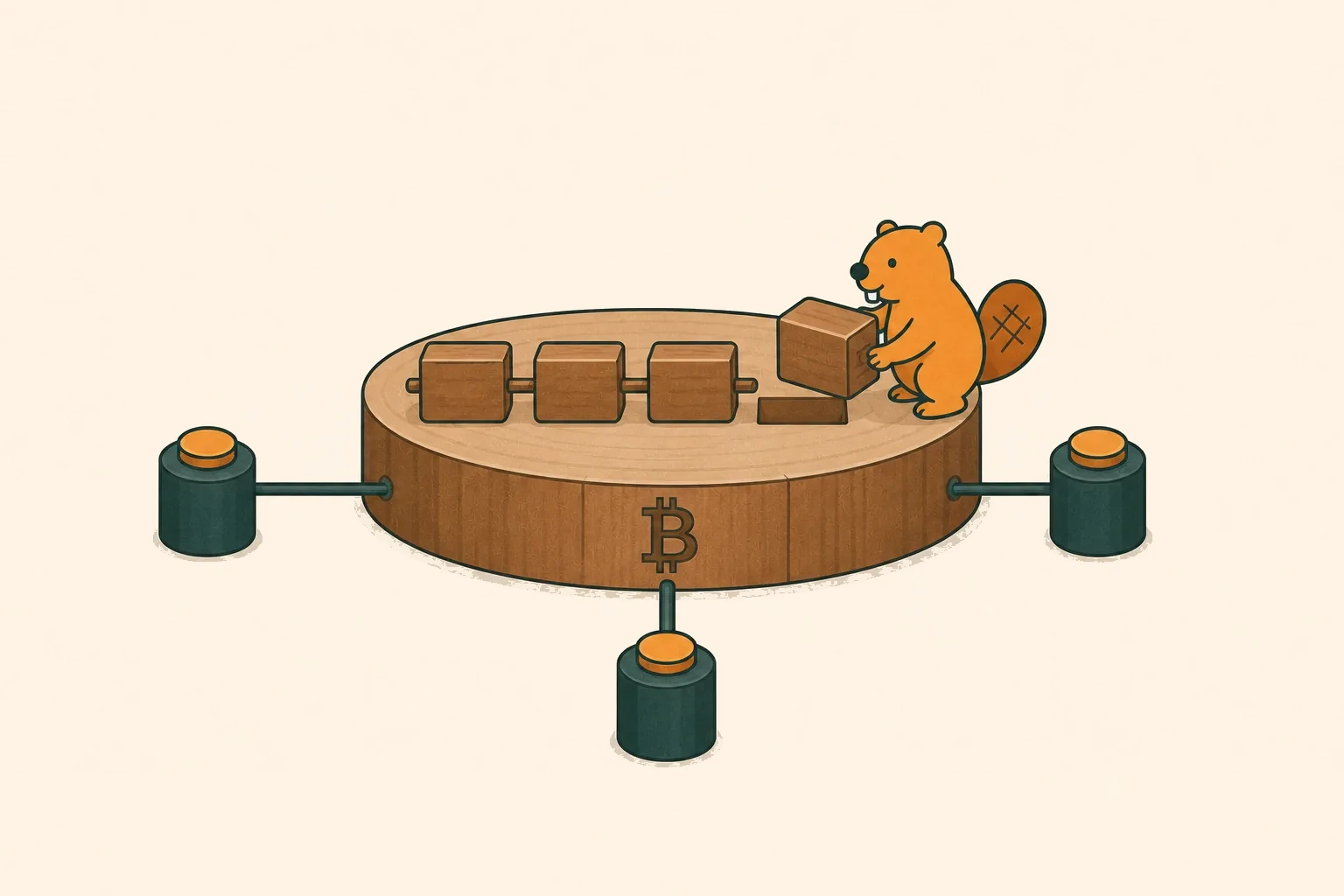
Rollups are one kind of Ethereum Layer 2. Their basic idea is to handle many transactions away from Mainnet, then combine the result into a smaller set of Layer 1 submissions.
Is proof of stake a Layer 2 solution?
Ethereum's move to proof of stake changed how Ethereum Mainnet reaches consensus and is secured by validators. It did not move transaction execution into a separate Layer 2, and it was not itself a rollup or a network-capacity expansion.
Rollups address a different constraint. They execute transactions separately, then submit batch data to Ethereum and settle through Layer 1 rules. That makes them an Ethereum Layer 2 scaling path—not a new consensus mechanism for Mainnet.
| Question | Proof of stake on Ethereum Mainnet | Ethereum rollup |
|---|---|---|
| What changes? | How Ethereum Mainnet reaches consensus and is secured by validators. | Where transactions execute, then how batch data and settlement reach Layer 1. |
| Is it a Layer 2? | No. It is a change to Ethereum's base-layer consensus mechanism. | Yes. It is a Layer 2 scaling design that extends Ethereum. |
| What does it not solve by itself? | Finite shared Layer 1 capacity. | The data, proof, and security-model trade-offs of a specific rollup. |
What happens in a rollup?
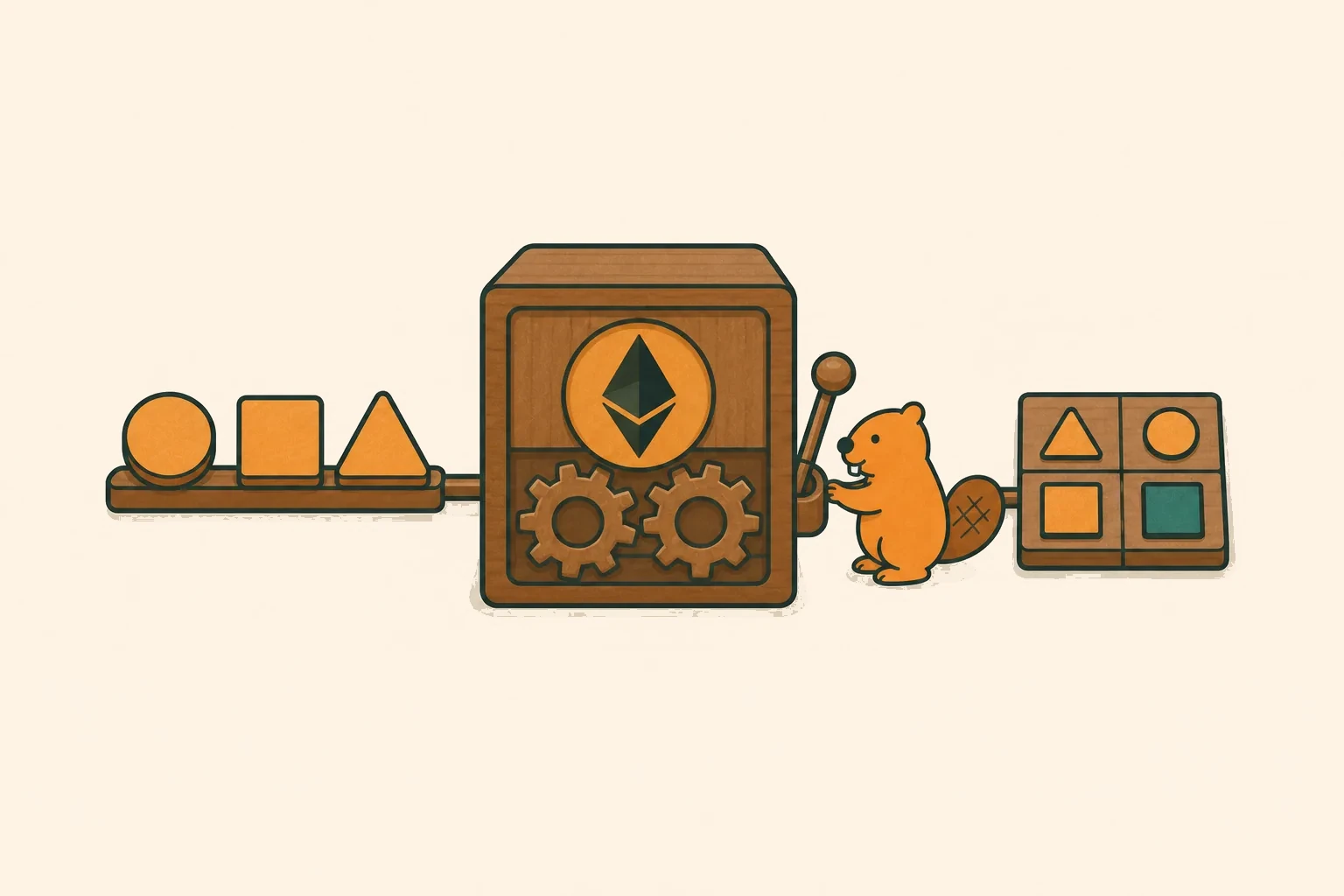
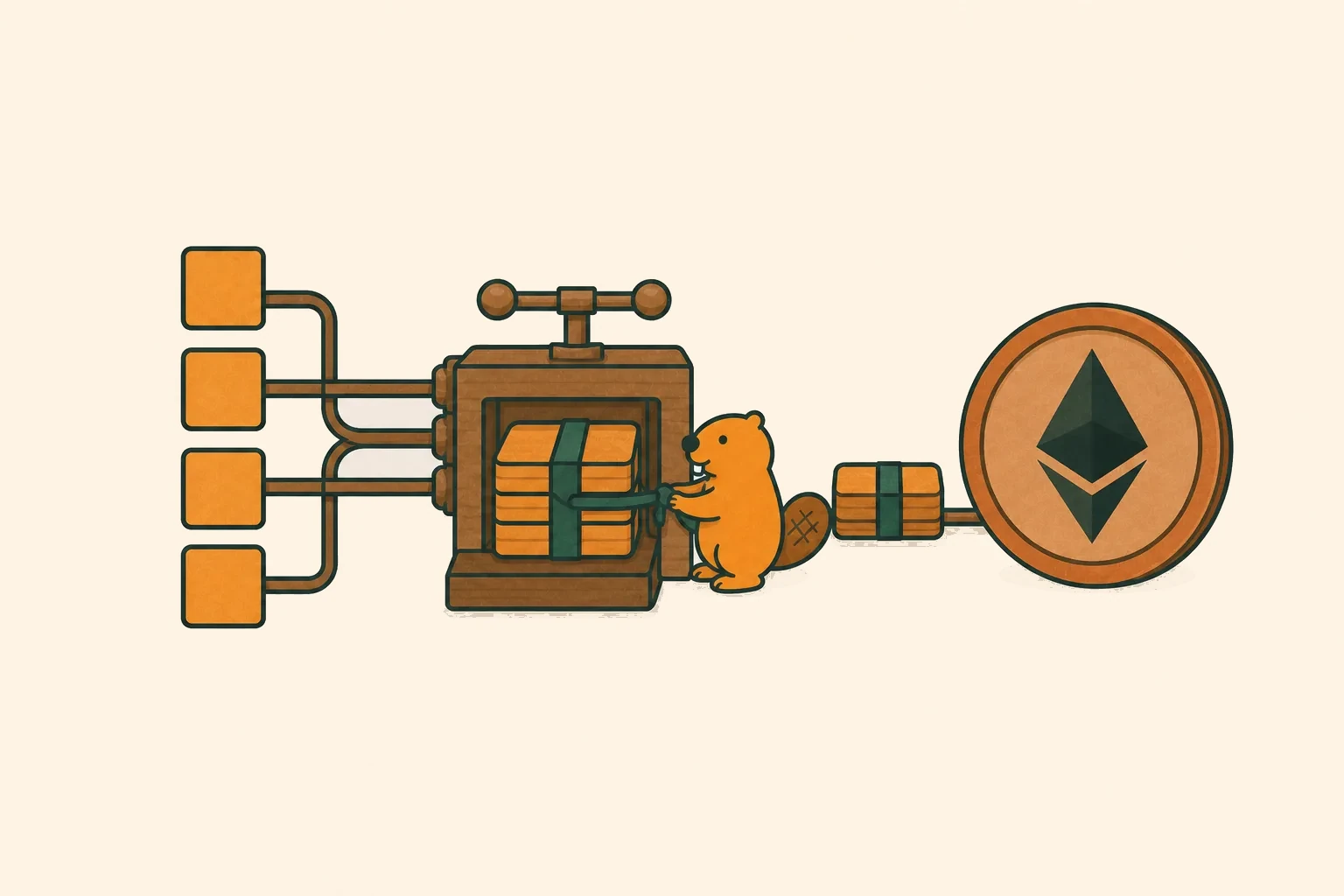
Rollups separate execution from some of the work Ethereum Mainnet performs. Users send transactions to the rollup environment, where they are processed and grouped into batches. The rollup then submits the transaction data needed for a batch to Ethereum, along with the commitments or proofs required by its design. That division lets one Layer 1 submission represent activity from many Layer 2 transactions.
Steps
Execute on Layer 2
The rollup processes transactions and updates its own state outside Ethereum Mainnet's direct execution path.
Submit a batch to Layer 1
The rollup posts the transaction data, plus any commitment or proof required by its design.
Settle through Ethereum rules
The Layer 1 rollup contract provides the settlement point for the batch and its associated verification method.
Ethereum's official documentation describes two broad proof approaches. An optimistic rollup treats transactions as valid unless a fault proof challenges them; a zero-knowledge rollup submits a validity proof. The exact mechanism is important because it affects how and when the Layer 1 contract accepts a batch.
Why do data and settlement on Layer 1 still matter?
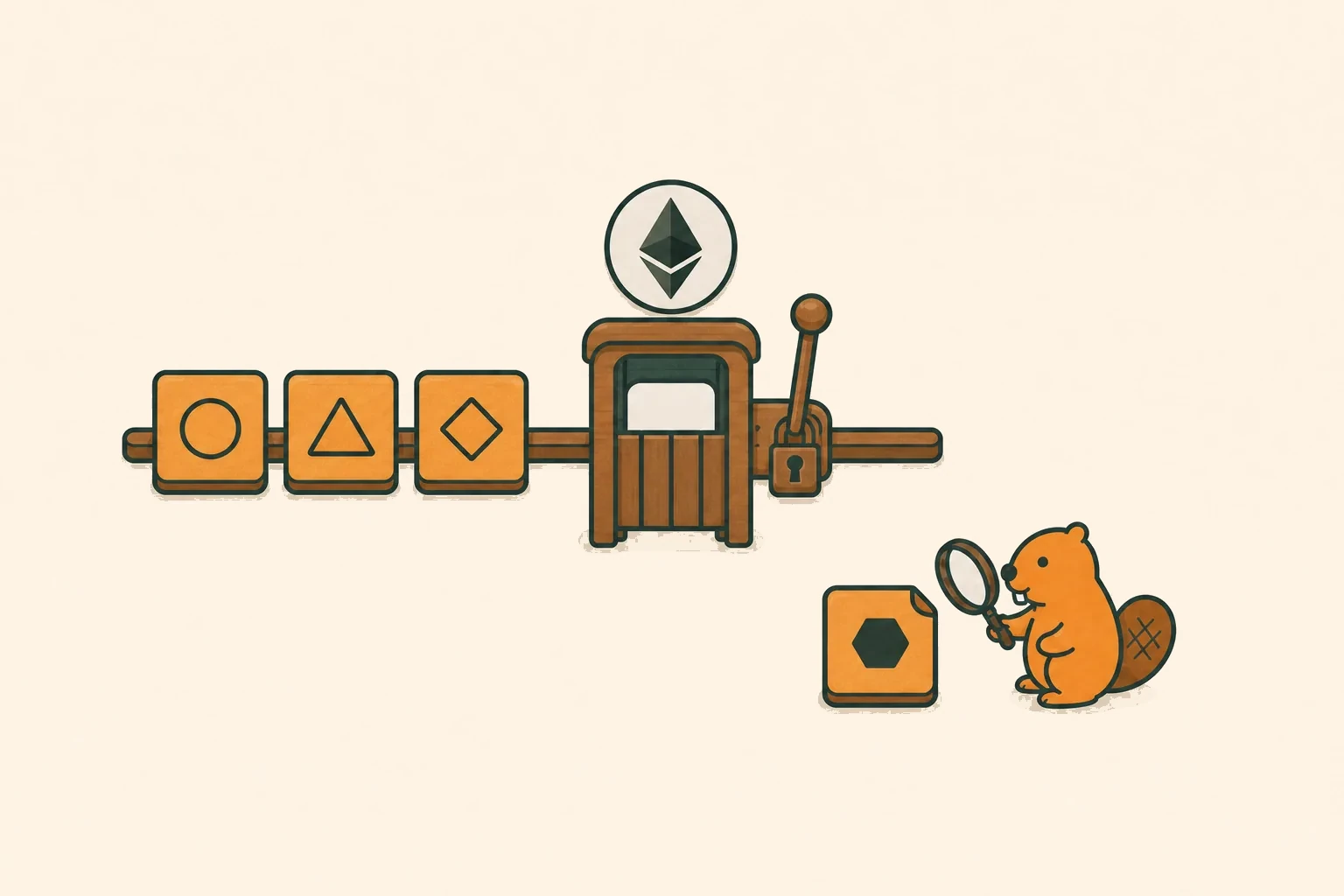
Batching does not mean Ethereum is irrelevant after a transaction is executed. For a rollup to be independently checked, the data behind a claimed state change must be available to verifiers. Ethereum can serve as the place where that data, the batch, and the settlement rules meet.
For example, Ethereum's documentation explains that rollup batches compress many offchain transactions into a Layer 1 transaction. It also explains that data availability is necessary for others to verify a proposed summary rather than simply trust an operator's claim.
How are a rollup, a sidechain, and a bridge different?
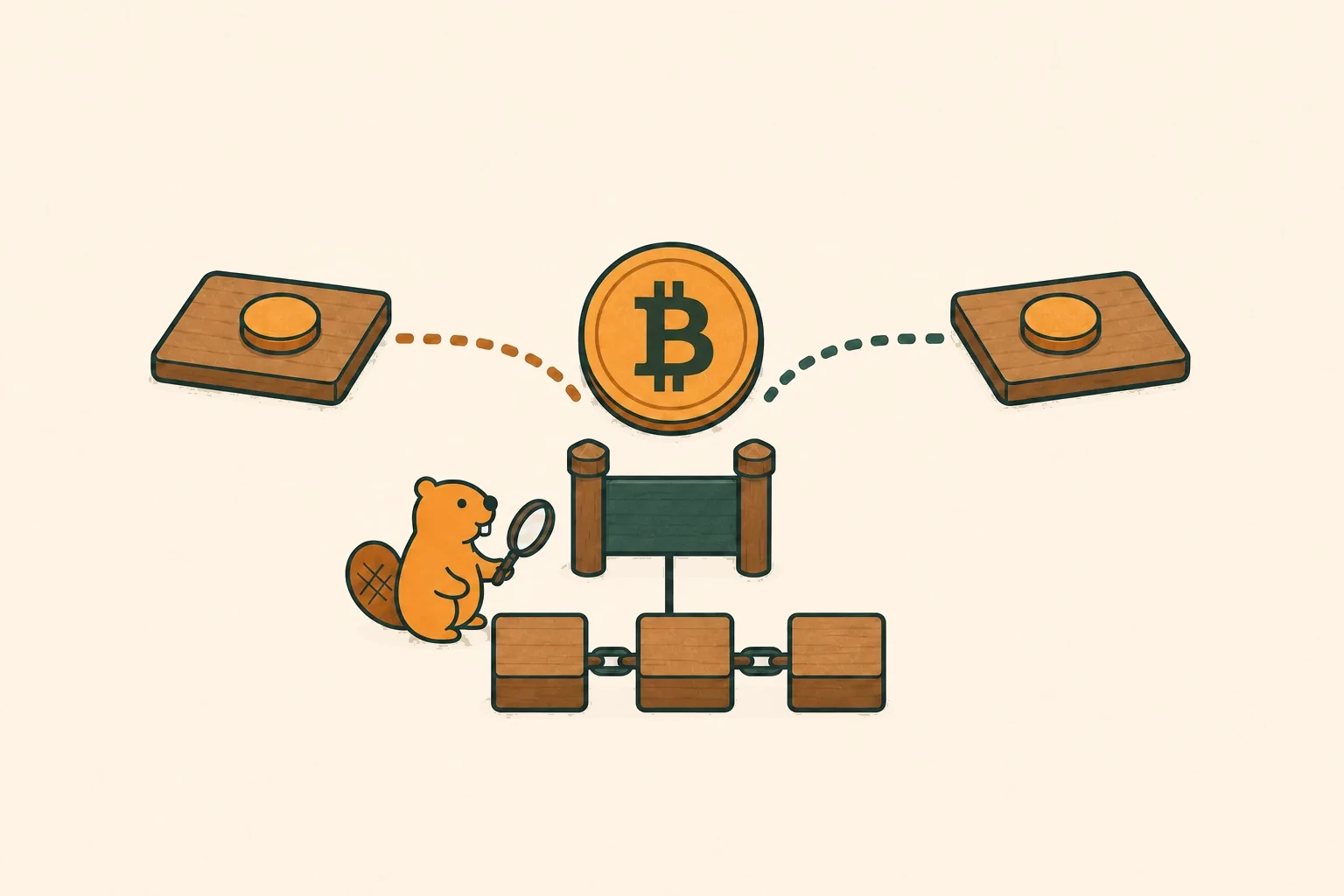
These names answer different questions. A rollup describes an Ethereum scaling design and its relationship with Layer 1. A sidechain is an independent chain with its own security model. A bridge is a connection that carries assets, messages, or data between networks; it does not by itself determine the security model of the destination.
| Term | What it describes | Key question to ask |
|---|---|---|
| Rollup | A scaling system that executes separately and submits batch information to Ethereum. | How do its data, proofs, and settlement use Ethereum Layer 1? |
| Sidechain | An independent blockchain connected to Ethereum, often through a bridge. | Which separate consensus and security assumptions does it use? |
| Bridge | A connection for moving assets, messages, or data between networks. | Who validates the transfer and what network is receiving it? |
What new trade-offs should you look for?
Rollups can lower a user's share of Layer 1 costs by batching, but they add a new system to understand. Different Layer 2s have different trade-offs and security models, so the right beginner question is not only “Is it cheap?” but also “Where is this executed, where is it settled, and what does it depend on?”
Conclusion
A rollup separates where transactions execute from where they settle. Users transact in the rollup environment, the rollup groups that activity into batches, and it submits the transaction data plus whatever commitment or proof its design requires to Ethereum, where a Layer 1 contract provides the settlement point. One Layer 1 submission can then represent activity from many Layer 2 transactions, which is where the cost saving comes from.
Two distinctions do most of the work in this topic. The first is that Ethereum's move to proof of stake changed how Mainnet reaches consensus — it did not move execution to a separate layer, and it was not a capacity expansion. The second is that rollup, sidechain, and bridge answer different questions: a rollup describes a scaling design and its relationship to Layer 1, a sidechain is an independent chain with its own security model, and a bridge is a connection between networks that does not by itself determine the security of the destination.
Data availability is why Ethereum still matters after execution has happened elsewhere. For anyone to check a claimed state change independently rather than trust an operator's assertion, the data behind it must be available, and Ethereum can be the place where the data, the batch, and the settlement rules meet. The reader's question when meeting a cheap network is therefore not whether it is inexpensive but where it executes, where it settles, and what that arrangement depends on. A low fee does not identify a network's security relationship to Ethereum.
Lightning and rollups both respond to pressure on a base layer, but they do so for different networks and workloads. Lightning focuses on Bitcoin payment channels; rollups focus on Ethereum transaction execution and settlement. The next lesson compares another response to scaling: an independent Layer 1 with its own validators, rules, and native asset.
Frequently asked questions
A type of Ethereum Layer 2 that processes transactions away from Mainnet, groups them into batches, and submits the resulting data and required proofs or commitments back to Ethereum. A Layer 1 rollup contract provides the settlement point, so many Layer 2 transactions can be represented by a smaller set of Layer 1 submissions.
Layer 1 is Ethereum Mainnet, which applies its own consensus rules and settles transactions. A Layer 2 is a separate system that extends Ethereum while using Ethereum's security guarantees, handling execution itself and relying on Layer 1 for data and settlement. The distinction is about where the work happens versus where it is ultimately anchored.
They differ in how a batch is verified. An optimistic rollup treats transactions as valid unless a fault proof challenges them within a window. A zero-knowledge rollup submits a validity proof with the batch. The mechanism matters because it determines how and when the Layer 1 contract accepts a batch as settled.
No. The Merge changed how Ethereum Mainnet reaches consensus and is secured by validators. It did not move transaction execution into a separate Layer 2, it was not itself a rollup, and it was not a network-capacity expansion. Rollups address a different constraint entirely.
No. It changed Ethereum's consensus mechanism rather than expanding how much activity the base layer can process. Because fees reflect competition for limited Layer 1 capacity, changing consensus does not by itself reduce them. Reducing a user's share of Layer 1 cost is what rollup batching aims at.
No. A sidechain is an independent blockchain with its own consensus and security assumptions, typically connected to Ethereum through a bridge. It does not inherit Ethereum's security properties the way a rollup's settlement relationship is designed to. Treating the two as interchangeable misstates what is protecting your assets.
A bridge is a connection for moving assets, messages, or data between networks. It does not by itself determine the security model of wherever you land. Reaching a cheaper network through a bridge does not tell you whether that destination is a rollup, an independent sidechain, or something else — the destination has to be checked separately.
Because independent verification requires the underlying data. If the transaction data behind a claimed state change is not available, others cannot check the proposed summary and are left trusting an operator's claim. Posting that data to Ethereum is what allows a rollup's state to be verified rather than assumed.
A rollup is designed to extend Ethereum and use its security guarantees through data availability and Layer 1 settlement, but different Layer 2s make different trade-offs and have different security models. The relationship is real but not uniform, so the specific rollup's data, proof, and settlement design is what determines what it actually depends on.
Related coins

Keep learning
Recommended next reads based on this lesson.
- Why did Bitcoin need to exist?Start with the double-spend problem to understand why Bitcoin needed a shared transaction history.
- Bitcoin: the first Layer 1Learn why Bitcoin is a Layer 1 network, how its own rules secure BTC, and why settlement has trade-offs.
- Why is Ethereum programmable?See how Ethereum extended the Layer 1 idea with shared programs, ETH gas, and new trade-offs.
- Why are there so many tokens?Learn how ERC-20 made tokens reusable across Ethereum apps, and why a shared standard still leaves important risks.