Choose a safe route
Buying routes, exchange fees, and custody risk - the checks to make before choosing where to transact.

Explore this stage
Follow the existing reading order for a clear route through this stage.
- Position Sizing Beyond the 1% Rule: Fixed Fractional, Kelly, and Volatility-Adjusted SizingHow fixed fractional, fixed dollar, Kelly, and volatility-targeted position sizing actually behave in crypto, with the arithmetic worked and the failure modes named.
- Crypto Market Psychology: Navigating Cycle Emotions from Disbelief to EuphoriaExplore the psychological stages of crypto market cycles, understand cognitive biases like FOMO and loss aversion, and learn strategies to maintain emotional detachment.
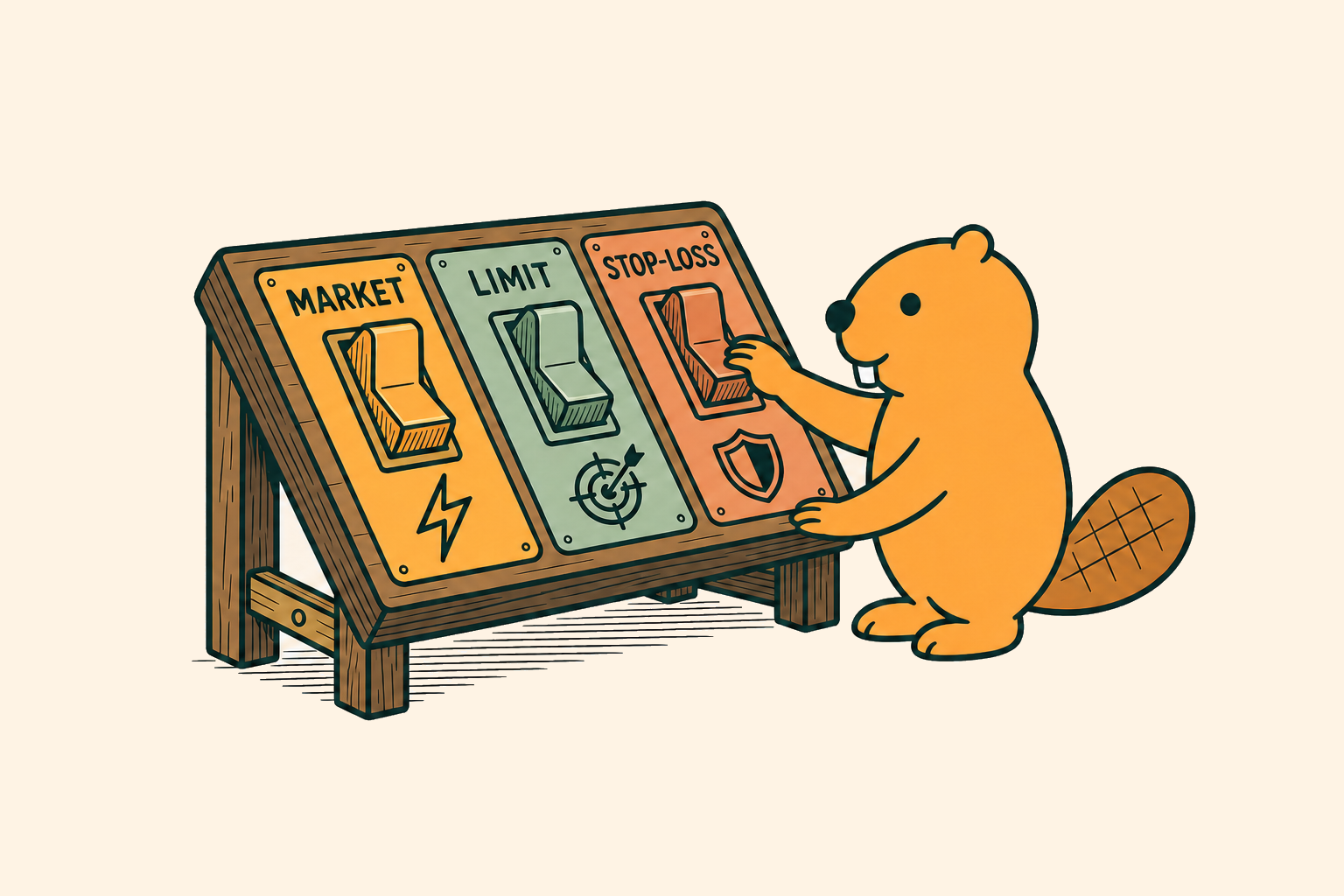
- Crypto Order Types Explained: Market, Limit, Stop, TWAP, Chase, and ScaleMaster market, limit, stop-loss, TWAP, Chase, and Scale orders to control execution prices, avoid slippage, and automate professional exchange trading.
- Managing Risk in Crypto: A Practical Framework for TradersLearn how to protect your trading capital in crypto with a 4-variable framework, position sizing rules, R-multiples, and multi-layered risk management.
- Crypto Rug Pulls Explained: Red Flags, Mechanics, and How to Protect Your WalletLearn how crypto rug pulls work, identify major smart contract red flags, and discover essential tools to verify token safety before investing.
- Crypto Slippage Explained: How It Works and When It HurtsUnderstand the difference between price impact and slippage, how order book depth affects execution prices, DEX slippage tolerance, and practical ways to minimize trading losses.
- Dollar-Cost Averaging in Crypto: Does the Data Support It?Explore empirical data comparing Dollar-Cost Averaging (DCA) vs. lump-sum investing in Bitcoin and Ethereum, understand its psychological benefits, and learn its risk limitations.
- Using DeFi as a Trader: What You Need to Know Before You StartA practical guide for CEX traders evaluating DeFi: self-custody models, gas fee mechanics, DEX slippage, risk stacks, and when DeFi makes sense.
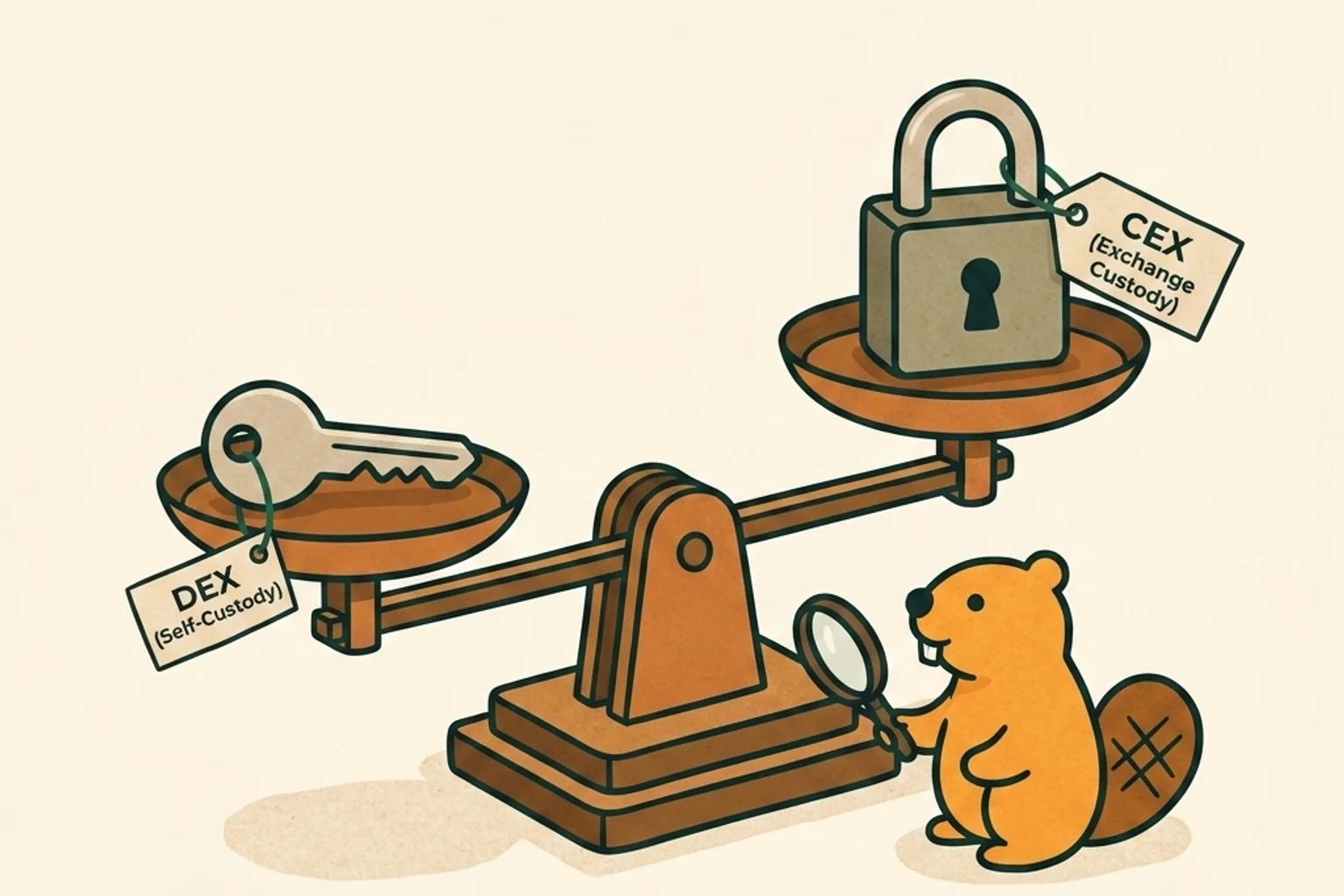
- DEX vs CEX: How They Differ and Which to UseCompare decentralized and centralized crypto exchanges: custody models, order matching engines, gas vs trading fees, KYC requirements, and selection rules.
- Hot Wallet vs. Cold Wallet: Security, Trade-Offs, and How to Store Your CryptoCompare hot vs. cold crypto wallets, understand private key self-custody, examine security trade-offs, and implement a multi-tier storage strategy.
- Crypto Stop-Loss Strategy: Where to Place Your Stop & Avoid TrapsLearn where to set your crypto stop-loss using technical support and ATR buffers, calculate exact position risk, and avoid costly execution traps.
- Maker vs Taker Fees: Cut Your Crypto Trading Cost in HalfUnderstand maker vs taker fees at the order book level, why limit orders save you money, how volume fee tiers work, and how to verify what you actually pay.
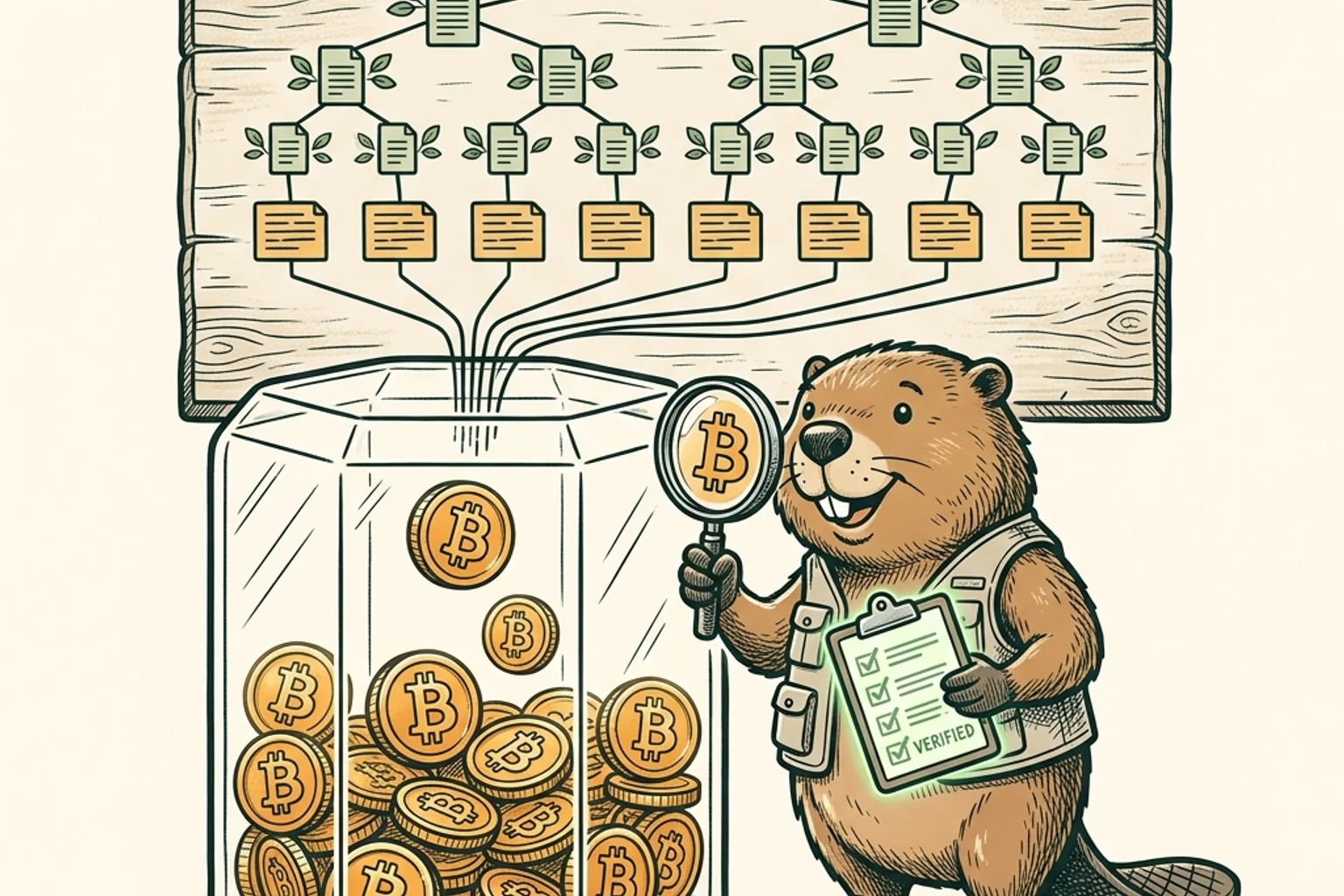
- Proof of Reserves Explained: Merkle Trees, Audit Limitations, and Verifying Exchange SolvencyLearn how Proof of Reserves (PoR) uses Merkle trees and ZK-proofs to verify exchange solvency, understand audit limitations, and self-verify your account balance.
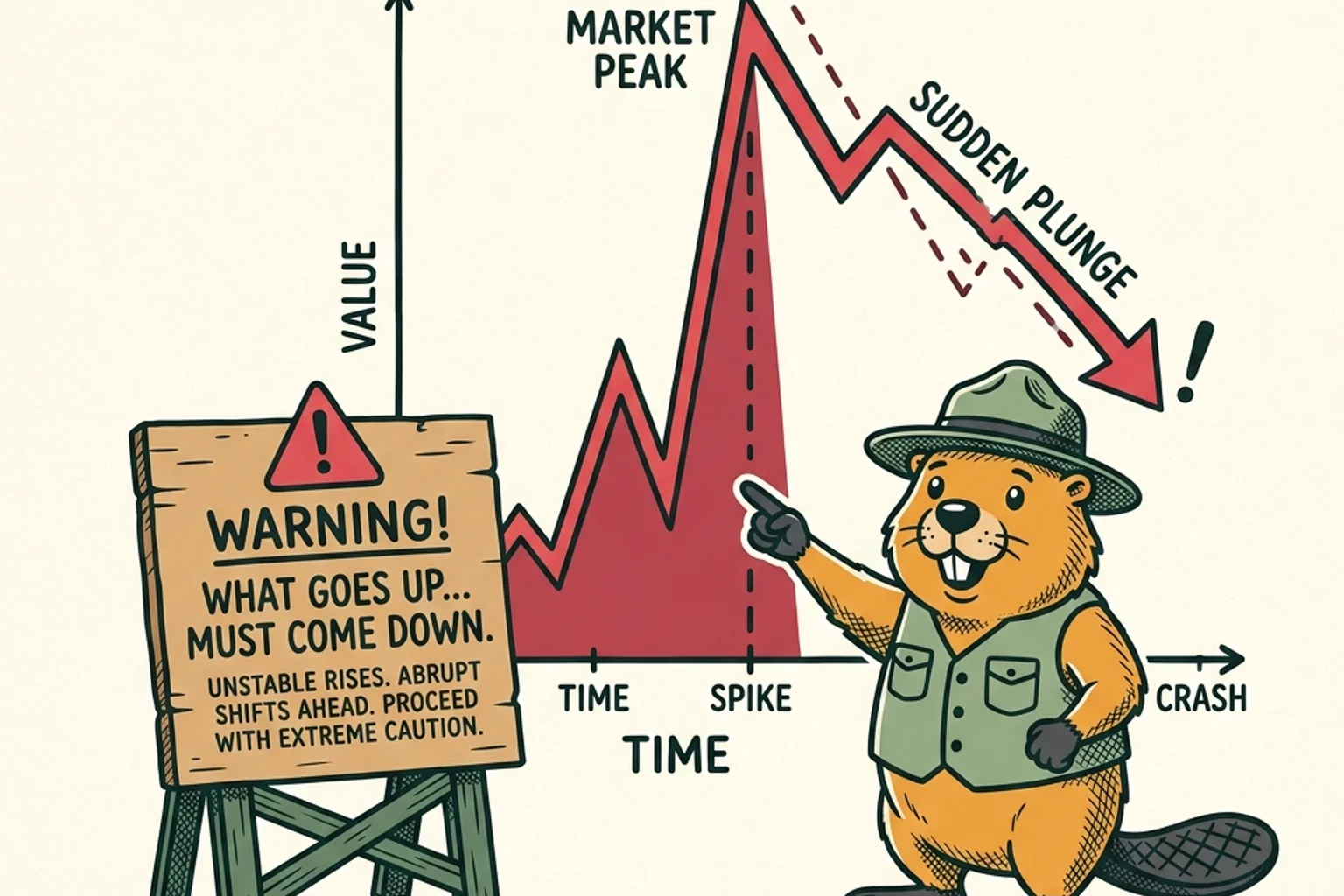
- Crypto Pump and Dump Schemes Explained: Anatomy, Red Flags, and How to Avoid Getting Dumped OnUnderstand how crypto pump and dump schemes work, identify coordinated group signals and bot traps, and protect your capital from market manipulation.
- Spread vs Commission: Where Exchanges Hide the Real CostLearn how zero-commission exchanges hide costs inside the bid-ask spread markup, compare explicit fee platforms vs spread brokers, and calculate your true trading cost.
- Why Most Crypto Traders Lose Money: The 7 Systemic Traps and How to Avoid ThemExamine the empirical data behind retail crypto trader losses, analyze the 7 systemic behavioral and technical traps, and learn actionable rules to protect your capital.
- Exchange fees explainedTrading fees, spreads, deposit rails, and withdrawal charges - where the real cost of buying crypto hides.