Know what you are buying
Follow how one constraint led to the next design, from Bitcoin to independent networks.

Follow the ideas in order
Move from one constraint to the next and see why each network made a different trade-off.
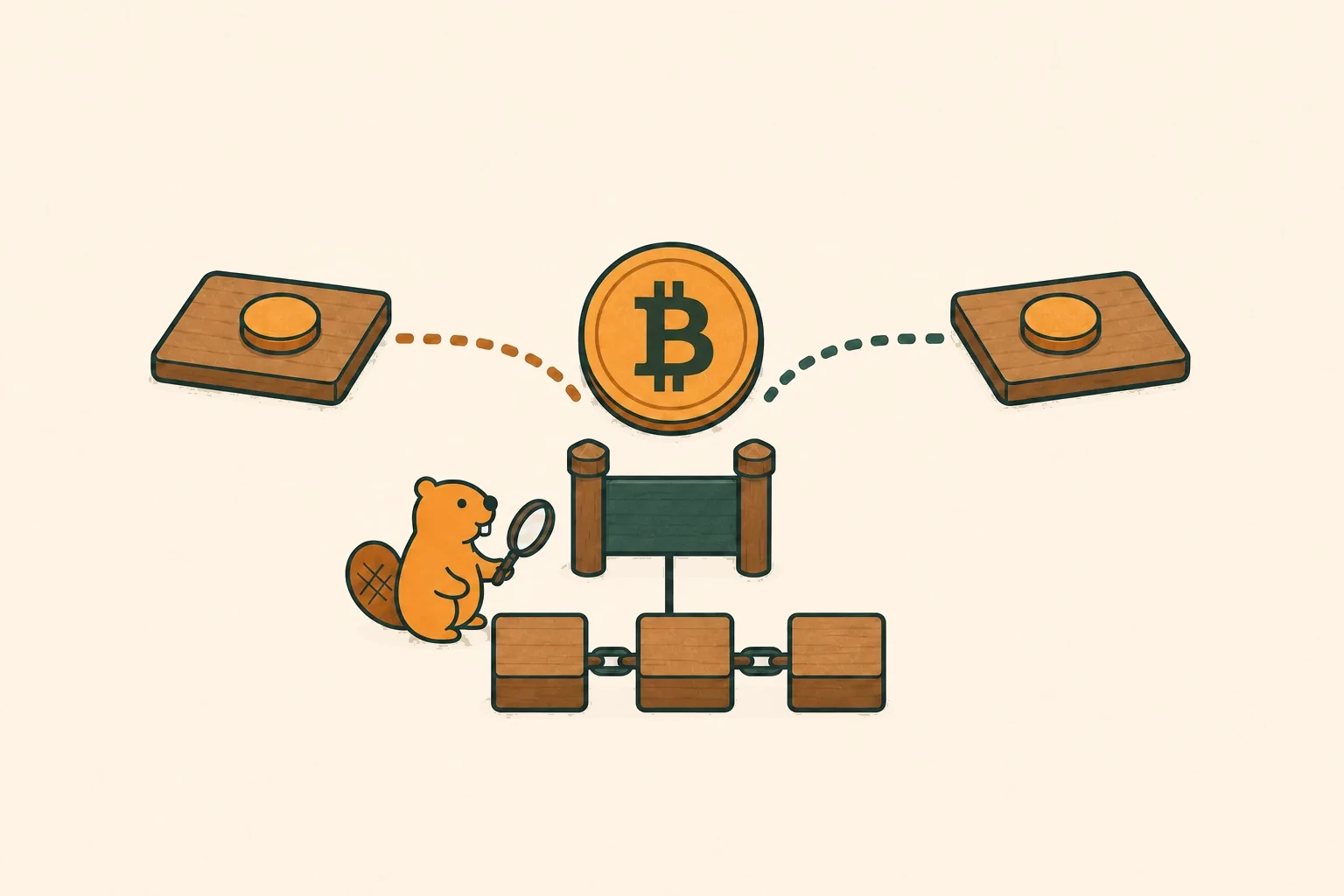
- Why did Bitcoin need to exist?Start with the double-spend problem to understand why Bitcoin needed a shared transaction history.
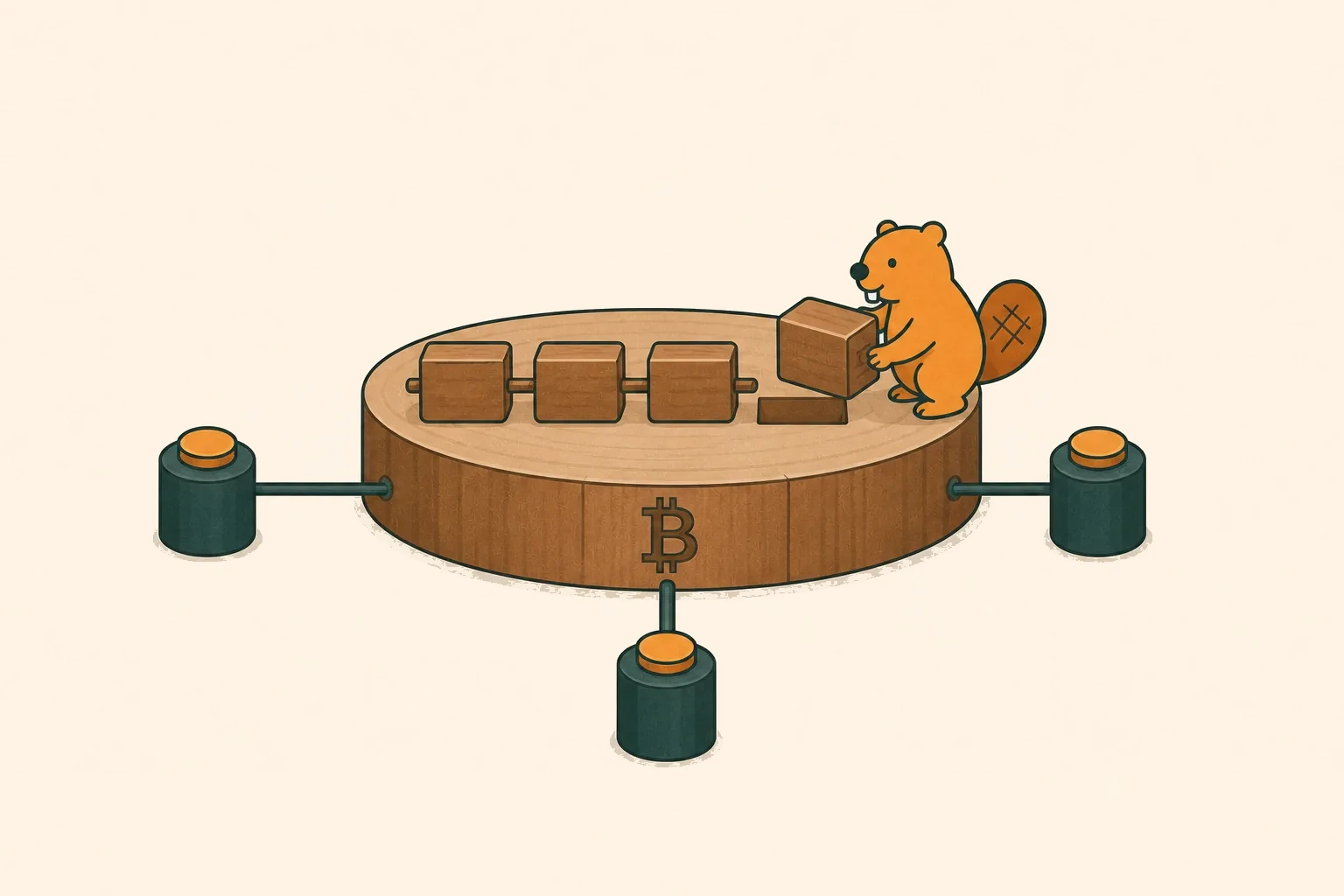
- Bitcoin: the first Layer 1Learn why Bitcoin is a Layer 1 network, how its own rules secure BTC, and why settlement has trade-offs.
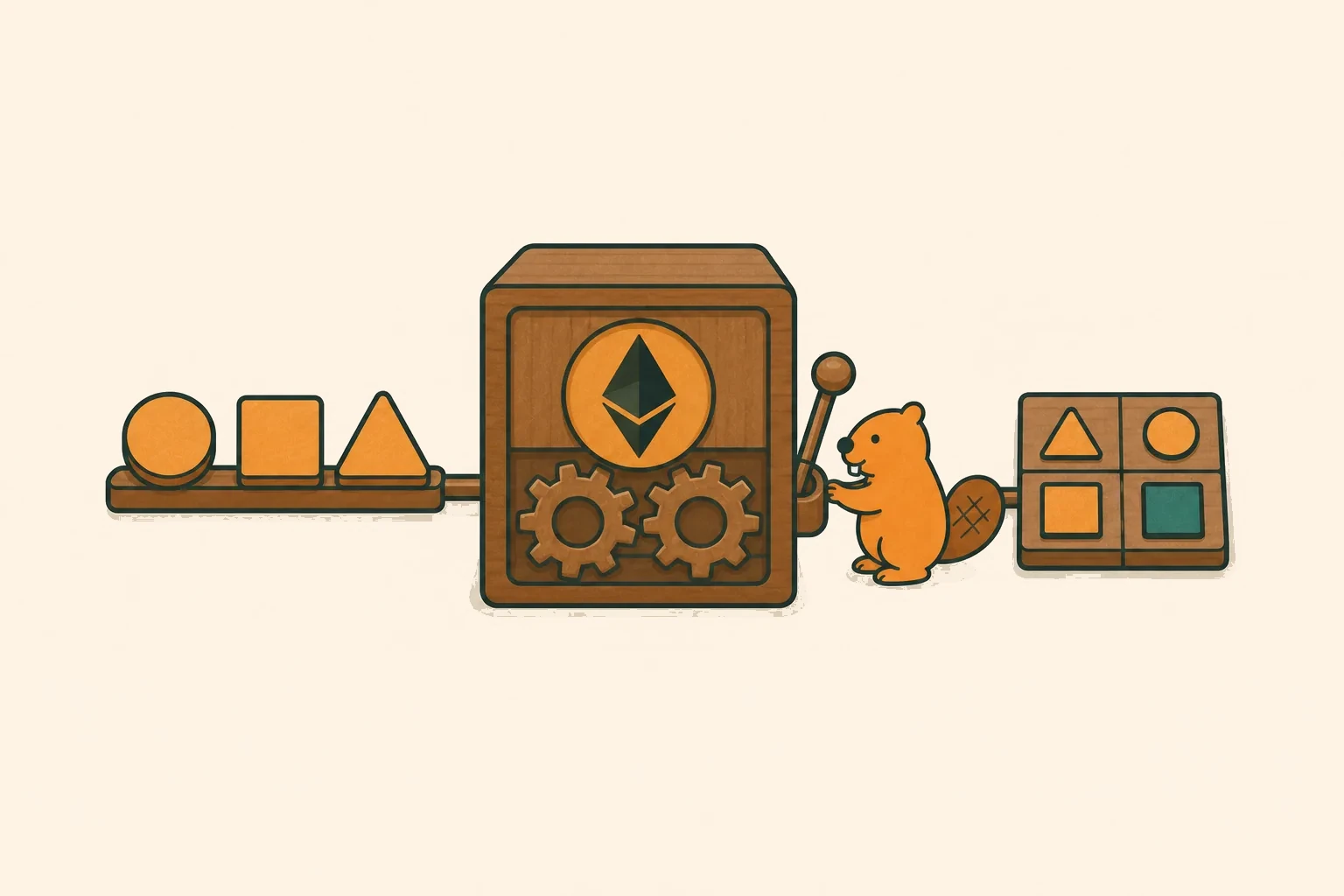
- Why is Ethereum programmable?See how Ethereum extended the Layer 1 idea with shared programs, ETH gas, and new trade-offs.
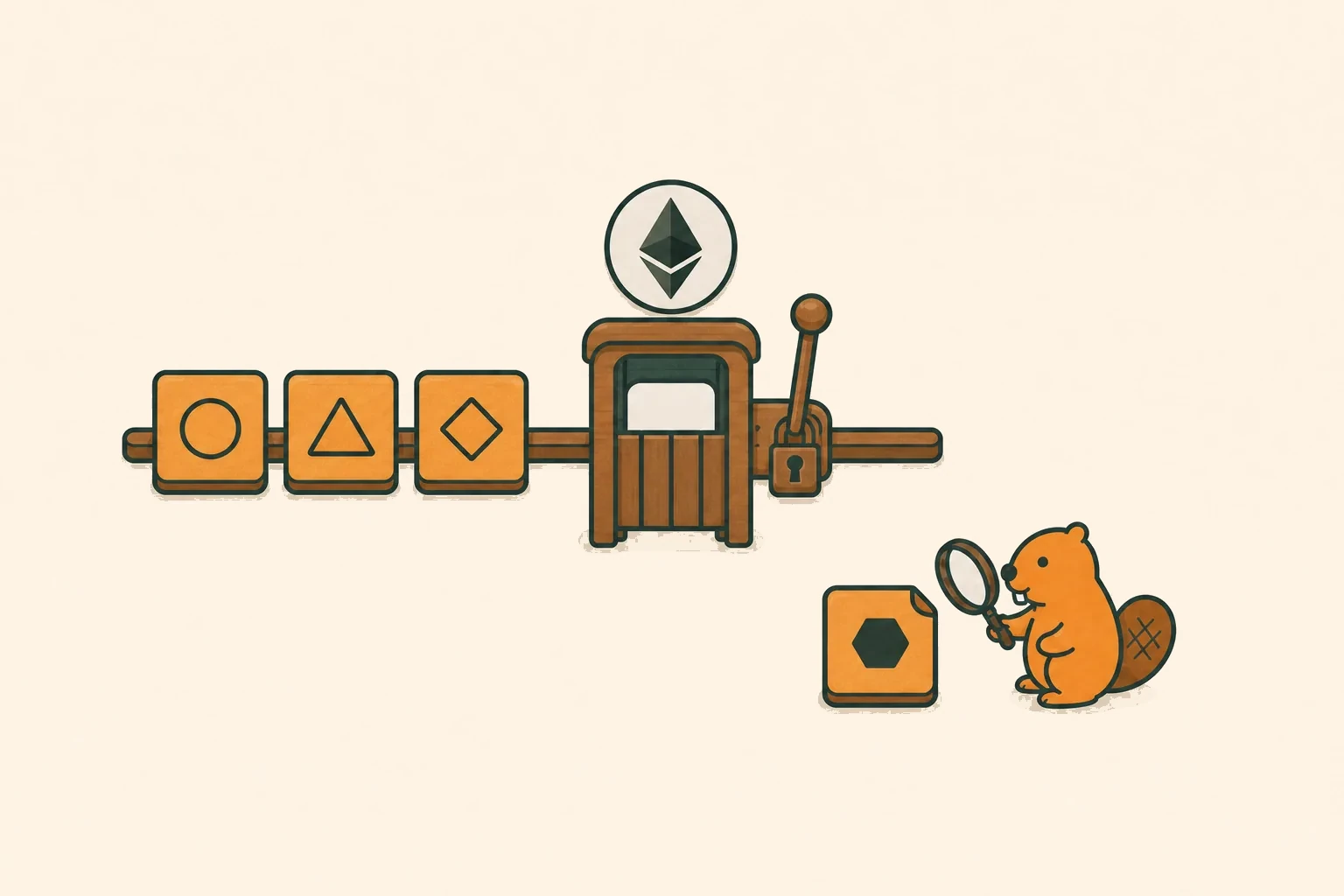
- Why are there so many tokens?Learn how ERC-20 made tokens reusable across Ethereum apps, and why a shared standard still leaves important risks.
- Why do blockchains get congested?Learn why shared Layer 1 resources are limited, how demand turns into fees and delays, and why scaling creates trade-offs.
- Why can Lightning payments be faster?Learn how Bitcoin Lightning payment channels update balances away from the base layer, route payments, and keep their final settlement tied to Bitcoin.
- Where do Ethereum rollups execute and settle?Learn how Ethereum rollups execute transactions away from Mainnet, submit batches and data back to Layer 1, and differ from sidechains and bridges.
- Why is Solana another Layer 1 choice?Learn why Solana and SOL form an independent Layer 1, how its performance-oriented design differs from Ethereum Layer 2s, and which trade-offs remain.
- Robinhood Chain, Explained for TradersWhat Robinhood Chain is, how its Stock Tokens differ from equity, why it has no native token, and how to separate the chain from the apps built on it.
- What Is a Token Launchpad? pons and Pump.fun ComparedHow token launchpads solve the cold-start problem, how pons and Pump.fun price a new token differently, and what graduation does and does not signal.
- Who actually holds your crypto?Learn what a crypto wallet really stores, the difference between custodial and self-custody holdings, and what each arrangement means when something goes wrong.
- What is a stablecoin?Learn what a stablecoin is, how fiat-backed, crypto-backed, and algorithmic designs try to hold a peg, and which risks a stable price does not remove.